Teaching
To paraphrase one of my most dearly beloved teachers, Baba Ram Dass — any teacher worth their salt wants nothing but to help you get free.
Everything else is ego.
I grew up playing sports and moving my body without thinking much about it, even as I battled constant aches and pains and injuries like shin splints that other kids on my various teams didn’t seem to get at nearly the same rate. I chose St. John's Great Books program because I wanted something more intellectually rigorous than a standard undergraduate experience, and what I got beyond four years of reading Aristotle and Kant and Euclid in their own words was a permanent suspicion of received wisdom.
I carried that into an MBA at the University of Illinois, and eventually into a corporate job that gave me bimonthly debilitating migraines and cyclical vomiting episodes I didn't yet have language for. Yoga was the only form of movement I could adapt in a way that didn't seem to throw my body into some kind of immune or allergic reaction.
It was in a yoga class that I first heard the word hypermobile — from a teacher reminding me to keep a microbend in my “obviously hypermobile” knees. That moment shifted so much for me, and was the first step in a long journey, and is a big part of how I ended up here.
My Classes
A typical class with me runs about 60% vinyasa and 40% yin, restorative work, and breathwork. I teach vinyasa significantly slower than a standard class — roughly 20 to 30% slower. The pace creates space for proprioception and interoception to actually develop rather than just asking your body to keep up.
I demonstrate almost every pose, I cue you breath by breath while you're in the shape, and I'm available to make adjustments and answer questions as we go.
You will never just be pointed at an asana and left to figure it out.
I always explain what we're doing and why. You will never be told to do something without understanding the reason behind it.
There is no "push through it" in my class. Ever.
I've spent years working with chronic pain, chronic illness, hypermobility, and neurodivergent clients, and what I keep learning is that most yoga was not designed for bodies like ours. So I've been quietly building something that is.
I have spent years researching chronic illness and connective tissue conditions specifically, and I take hypermobility seriously as a variable that changes everything about how movement should be taught. I also have my own personal history with chronic illness, which means I am not approaching any of this from the outside.
I am AuDHD myself, which means I understand sensory overwhelm, I understand what it costs to be in a body that processes the world differently, and I will never make you feel like your nervous system is the problem.
I teach:
Outdoors
In studio
In your home
Over Zoom
Wherever you are most comfortable in your body is where we should work.
Yoga
I teach yoga as an investigation of the body as its own environment — one that rewards curiosity, responds to patience, and has a great deal to teach us about how we actually function. I guide students through fluid, somatic sequences with a strong emphasis on sensation over shape.
We do real yoga. Traditional asana, pranayama, meditation, the works. I teach based on what your body can do that day, not what it did last week.
I'm particularly drawn to students who feel like standard yoga wasn't quite designed for their body or the way they experience the world. This can include folks that tend to carry tension in places that don't make obvious sense, people who are highly sensitive, people who want to understand what they're doing in class and why.
Meditation
The tools I teach — breathwork, somatic movement, mantra, meditation, journaling, grounding practices — are powerful complementary tools that can help integrate any number of physical or mental health treatments my clients may be pursuing with licensed practitioners. For many of my clients they play a big role in intervening directly in the pain experience by gradually shifting one's relationship to the psychological and social inputs that the nervous system processes.
Pain is measurably worse when someone is depressed, anxious, stressed, isolated, or hopeless. This is not because the pain is imaginary when you are sad. It is in part because the nervous system that constructs the pain experience is the same nervous system that is processing the depression, the anxiety, the stress, the isolation. They share infrastructure.
Irritability is the germ, the atom, of having a world.
-Hans Jonas, To Move and To Feel
If you are ready for your experience of stimuli of all kinds, good and bad, to be your gateway into a free-er way of being, I’m here to help you get started!
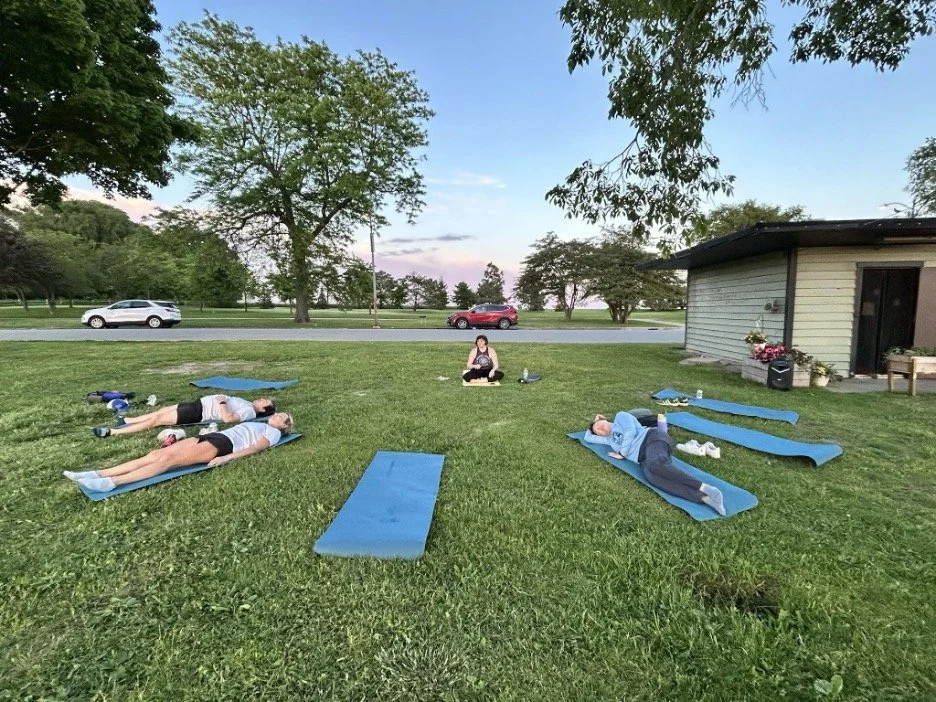
“I love Cat’s patience and flexibility with my variable ability to keep up, [she’s] always so encouraging in a way that’s never come off as patronizing.”
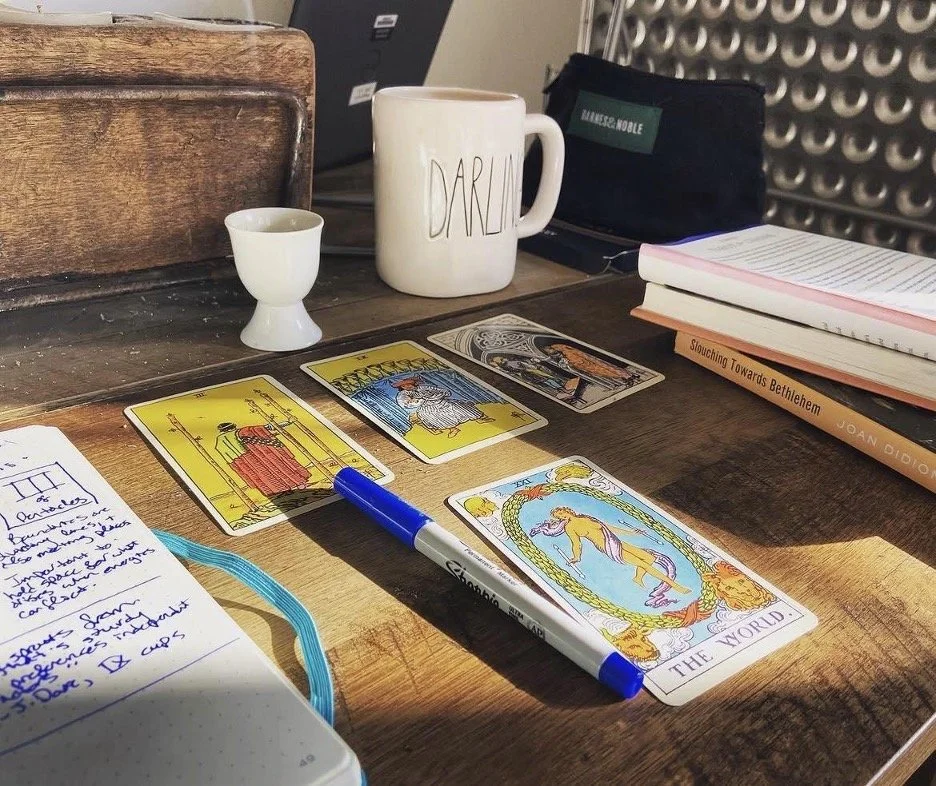
“I love the curated nature of the classes. I love the jokes that lighten the mood and how easily [Cat] brings us back to the practice. I love the poetry and meditations. I love the pranayama.”
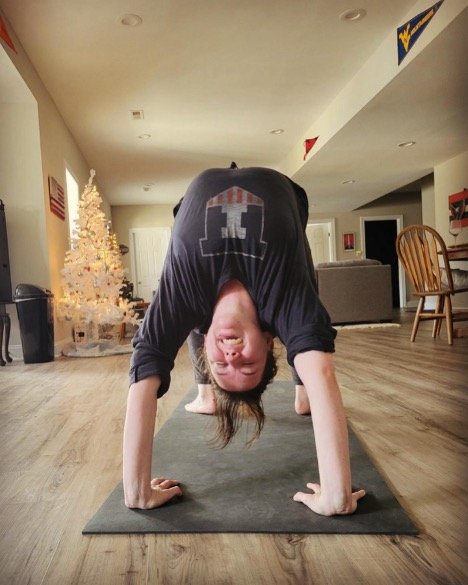
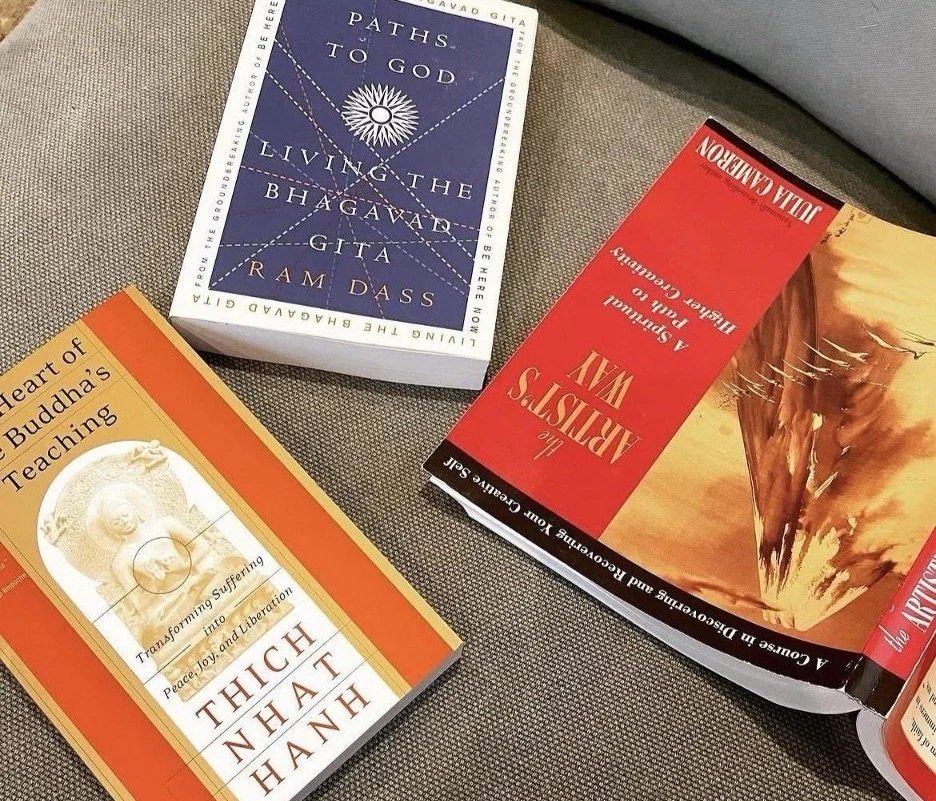
“[Cat] gives lots of creative ways to do the same posture based on your ability and anatomy. She tells me what sensations to expect — good, bad, or otherwise. I also like how she gives feedback on progress — she’s really paying attention.”